Modernity has given us almost everything except stillness. Our hours are full, our screens are full, our calendars are full — and yet a quiet, unshakeable poverty stalks us in the gaps between meetings. We have abundance without arrival. Speed without direction. Voices without listening.
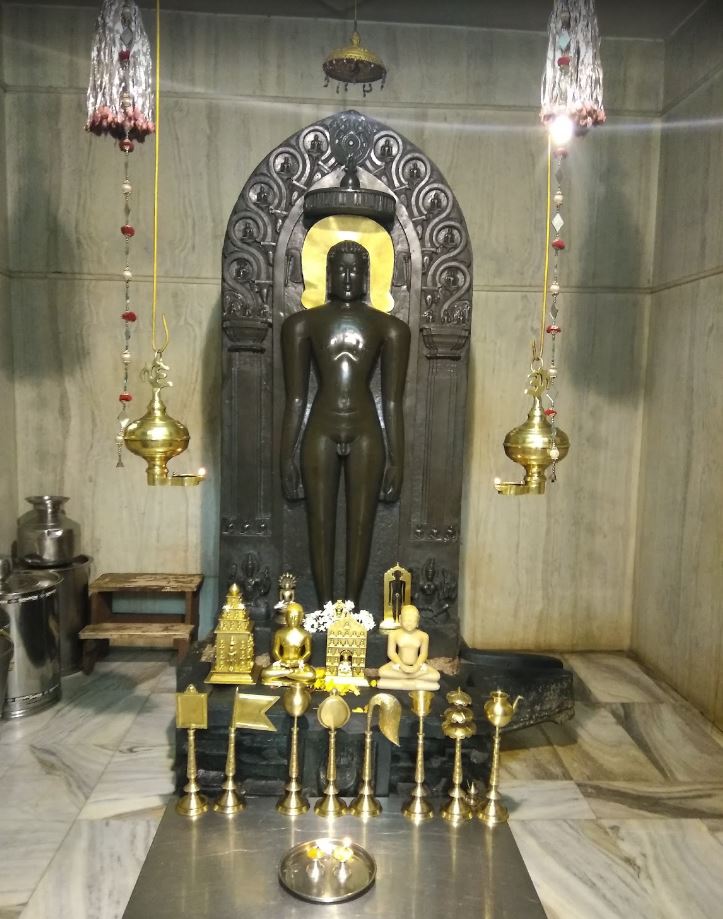
Anantnath Bhagwan, two-and-a-half thousand and more years ago, walked away from a kingdom not because the kingdom was bad — but because no kingdom could ever be enough. The soul, he understood, has an appetite no possession can satisfy. It wants only its own infinity back.
His teachings are not the property of any one tradition. The grammar of Ahimsa, Aparigraha, Satya — non-harm, non-grasping, the careful telling of truth — translates effortlessly into the boardroom, the breakfast table, the late-night conversation with one's own conscience.
To live as he taught is not to renounce the world. It is to inhabit it more lightly, more honestly, more usefully — and to keep, in the centre of an active life, a small immovable silence that nothing can disturb.