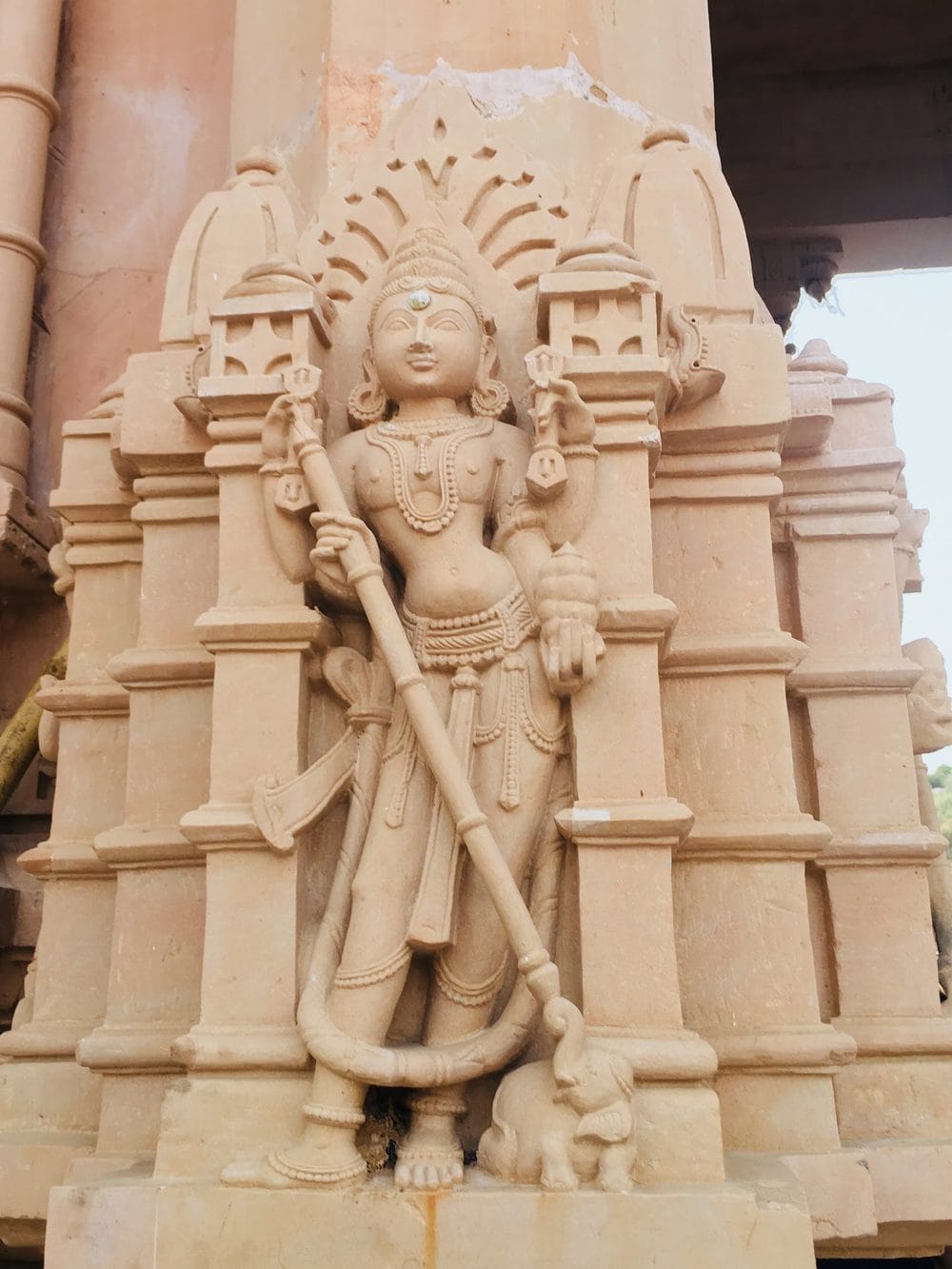
Taranga · Gujarat
Taranga Tirth
One of the most revered Shwetamber Jain pilgrimages, the hilltop derasar at Taranga is famed for its 12th-century architecture and the towering principal idol of Ajitanatha Bhagwan.
From the eternal capital of Bharat to hilltop sanctuaries across the subcontinent — the legacy of Ajitanatha Bhagwan is written in stone, song and silence.
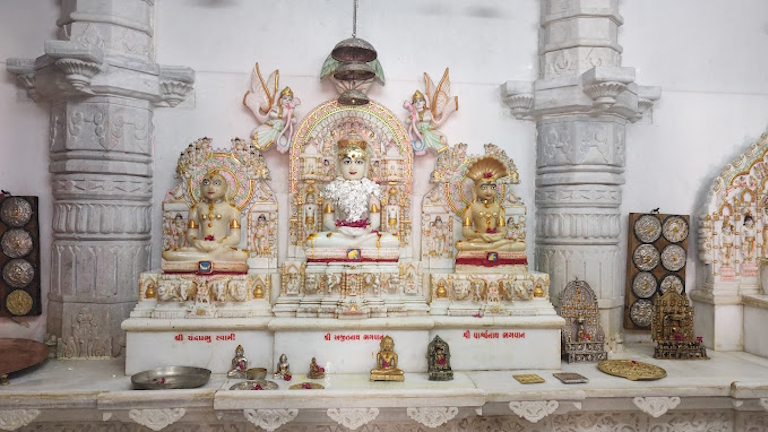
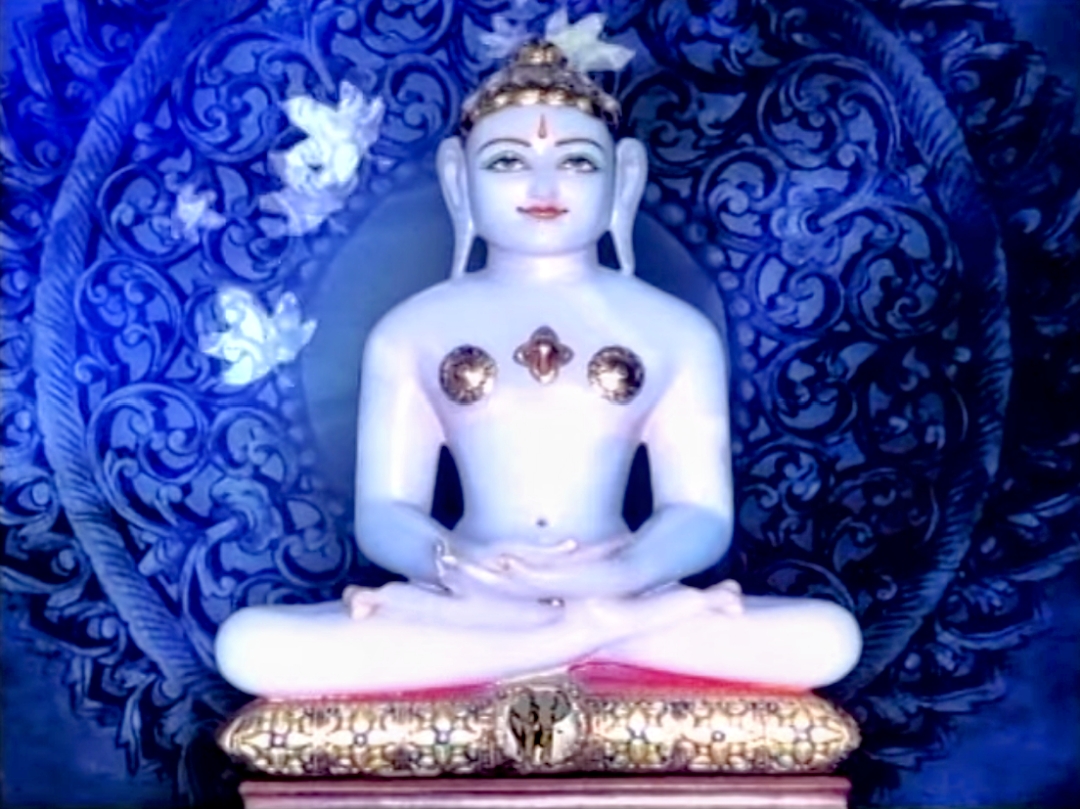
Among the seven holiest cities of Bharatvarsha, Ayodhya stands singular — not for the rulers it produced, but for the awakened souls it gifted to humanity. Five Tirthankaras, including Lord Rishabhanatha and Ajitanatha Bhagwan, descended into this city to begin their great work.
The city is a sacred crossroads where dharma, lineage and liberation converge. To remember Ayodhya is to remember the soil from which the second Tirthankara emerged — silent, sovereign, and serene from his very first breath.
Even today, Jain devotees pilgrimage to Ayodhya to honour the birth-soil of multiple Tirthankaras, where prayers and offerings carry the fragrance of an unbroken tradition millennia deep.
Ajitanatha Bhagwan stands as the second of twenty-four Tirthankaras of this Avasarpini — a luminous chain of awakened souls that began with Rishabhanatha and culminated in Mahavira.
The Adinatha — first Tirthankara, founder of human civilisation and dharma.
The Invincible One — present subject of this archive, born in Ayodhya.
Sambhavanatha, Abhinandananatha, Sumatinatha, Padmaprabha and many others continued the path.
The Vardhamana — twenty-fourth and final Tirthankara of this cycle.
The Ikshvaku dynasty — also called the Suryavansha — is among the most ancient and revered royal lineages in Indian memory. Ajitanatha Bhagwan, like many great Tirthankaras and figures of legend, descended into this dynasty to fulfil his cosmic mission.
The Ikshvakus were renowned as dharmic sovereigns — protectors of justice, patrons of learning, and stewards of righteousness. From this royal hearth came kings whose names ring across Jain, Hindu and Buddhist traditions, threading Bharat's spiritual fabric into a single weave.
That Ajitanatha Bhagwan was born of this lineage is significant: it speaks of a king who was already a king of dharma before he was a king of men — and who, by renouncing the throne, revealed the higher kingship that exists within every soul.
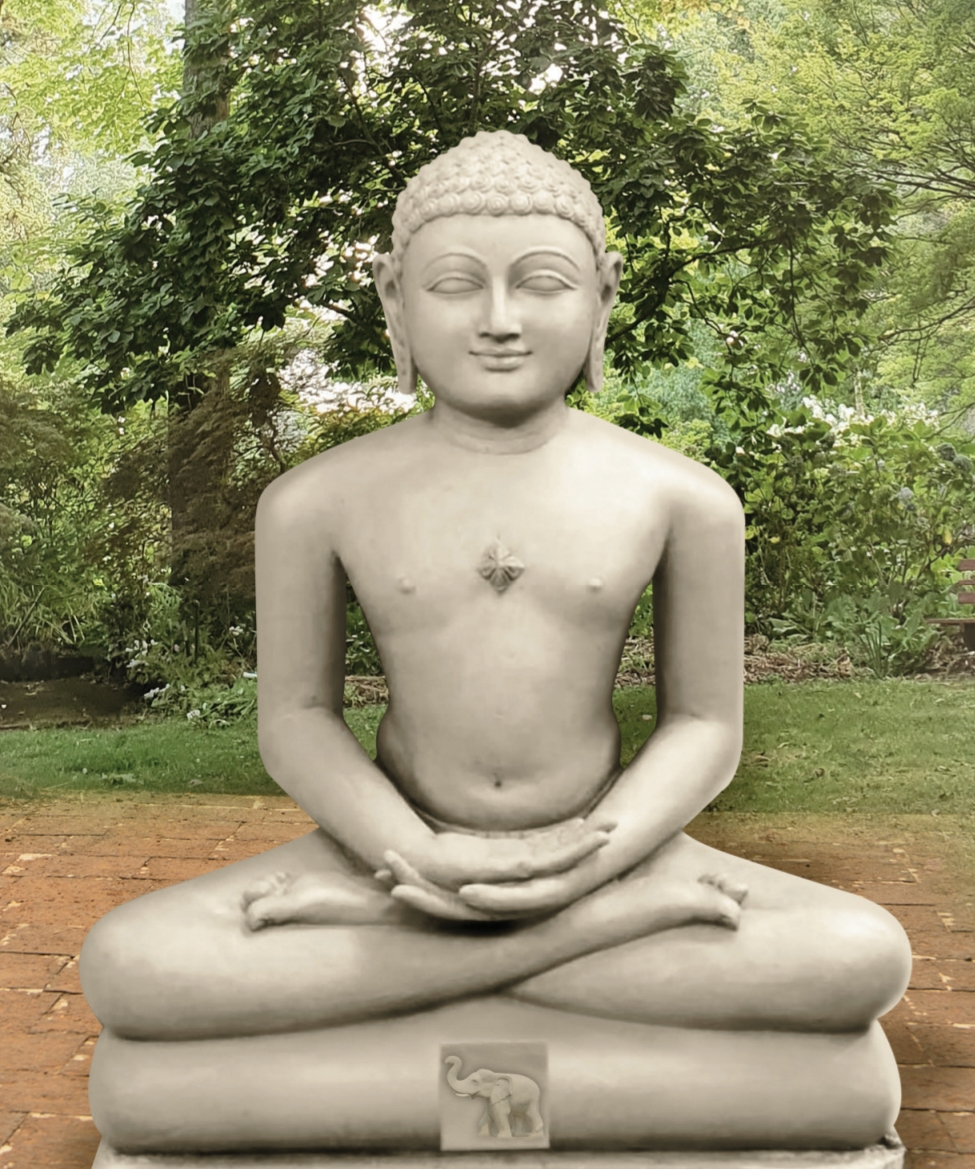
Across the holy land of Bharat — from the hilltops of Gujarat to the heart of Maharashtra and the coast of Kachchh — temples and tirthas honour Ajitanatha Bhagwan with marble, music and meditation.
One of the most revered Shwetamber Jain pilgrimages, the hilltop derasar at Taranga is famed for its 12th-century architecture and the towering principal idol of Ajitanatha Bhagwan.
Set within the timeless Abdasa region of Kachchh, this serene temple draws devotees who seek the blessings of the Invincible One amid the salt-kissed winds of Gujarat's coast.
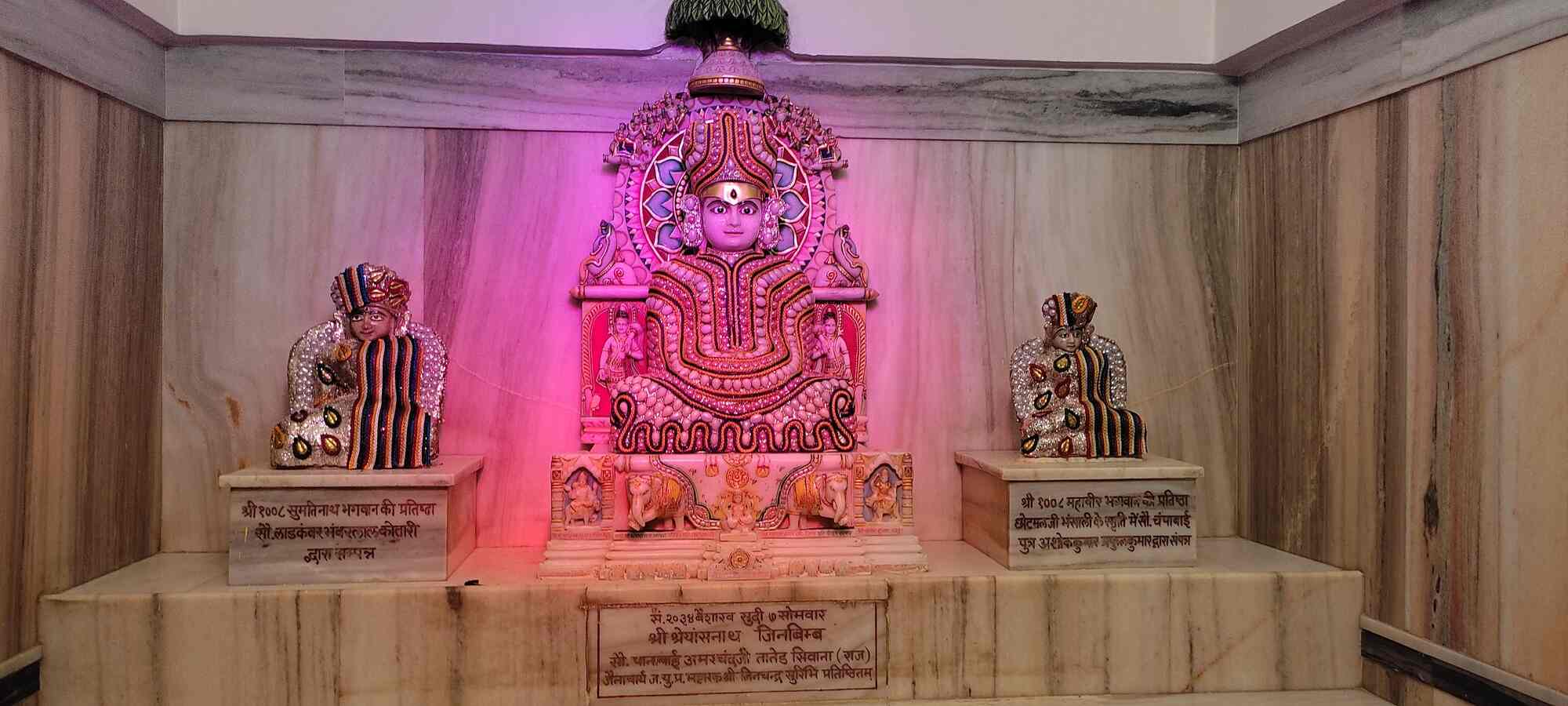
In the heart of Maharashtra rises this Shwetambar Murtipujak temple — a luminous urban sanctuary where Ajitanatha Bhagwan is worshipped daily by a thriving devotee community.

An exquisite tirth where ancient devotion and refined craftsmanship meet — a sanctuary that preserves the silence of the Tirthankara amid mountain repose.

A graceful Shwetamber derasar in the cultural heart of north Gujarat — a place of silent prayer where the Invincible One presides over the daily devotions of the faithful.

A modern sanctuary of devotion in the southern metropolis, where Ajitanatha Bhagwan is honoured by a vibrant urban Jain community.
For Jain practitioners across the world, Ajitanatha Bhagwan remains a profound source of strength. He is invoked when the heart is besieged by doubt, when discipline weakens, and when the long climb of the spiritual path feels heavy. His very name is a reminder: the soul, in essence, is invincible.
Annual kalyanaka celebrations honour the auspicious moments of his life — conception, birth, renunciation, omniscience, and liberation — through hymns, fasting, scriptural recitation and acts of charity. Communities across Bharat and the diaspora keep these traditions luminous.
To carry his memory is to carry a quiet certainty: that the invincible one within you is waiting only to be remembered.

“In every stone of these tirthas, in every flame of every aarti, the Invincible One is remembered — and through that remembrance, made present.”
— A Pilgrim's ReflectionStep into a curated gallery of temples, idols and sacred manuscripts that honour Ajitanatha Bhagwan.